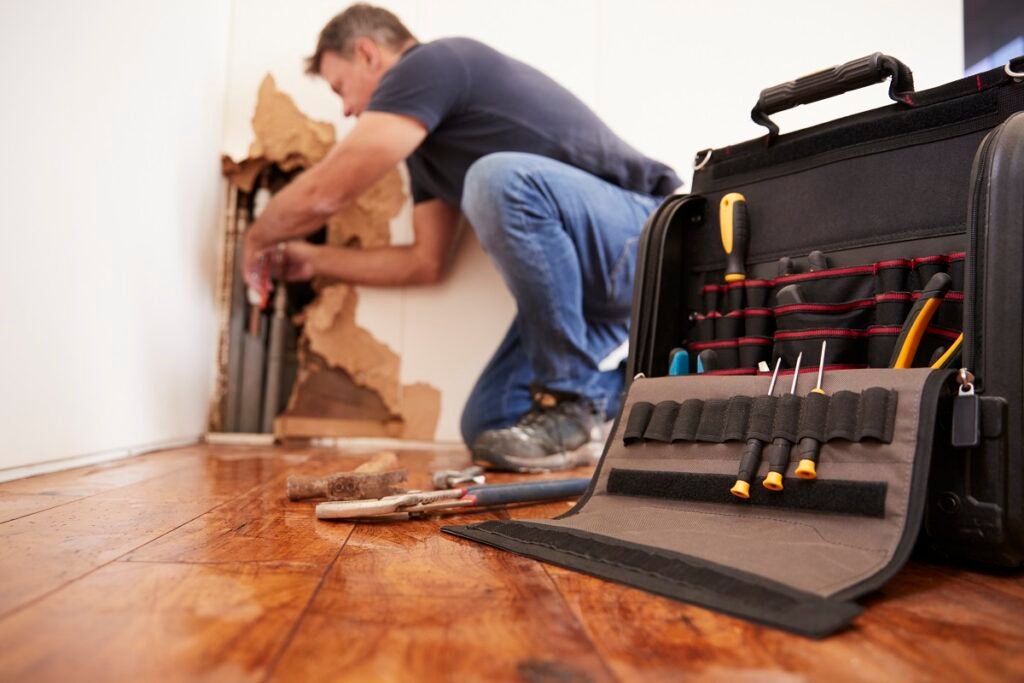
Home repairs are an unavoidable part of property ownership — whether you live in a Victorian terrace in Camden or a modern flat in Canary Wharf. But while most London homeowners set aside a budget for visible fixes like painting or plumbing, many underestimate the hidden costs that can quickly turn a simple job into an expensive surprise. Understanding these overlooked expenses can help you plan smarter and avoid unnecessary stress when something goes wrong.
1. The Cost of Diagnosing the Problem
One of the most common hidden expenses is the initial diagnosis. For example, a leaking ceiling might seem like a quick plaster fix, but often the root cause lies in the roof, plumbing, or insulation. Before any actual repair begins, you may need a professional to inspect and identify the source — which can involve call-out fees, thermal imaging tools, or specialist assessments. Choosing experienced professionals like Fix in London ensures you get an accurate diagnosis upfront, preventing further damage and wasted money on temporary fixes.
2. Materials and Delivery Charges
Even minor home repairs often come with additional material costs. Whether it’s timber, tiles, or sealants, these items aren’t always included in the quoted price. In London, where suppliers can charge extra for same-day or small-quantity deliveries, this cost can quickly add up. It’s always a good idea to ask for a detailed, itemized estimate to understand exactly what’s included — and what isn’t.
3. Waste Removal and Disposal Fees
Disposing of old materials or debris is another cost many homeowners forget. London boroughs have strict regulations on waste disposal, and hiring skips or licensed waste collectors can be pricey. From leftover plaster to broken fixtures, safe disposal can add anywhere from £50 to £300 to your total bill. Reputable companies like Fix in London often include waste removal as part of their service, saving you time and effort.
4. Access and Preparation Work
Homes in London often present logistical challenges — narrow stairways, restricted parking zones, or shared entrances in flats. These can lead to additional labor hours or equipment rental (like scaffolding or ladders). Similarly, before your handyman can begin, furniture might need to be moved, carpets protected, or old fittings removed. All these preparatory tasks increase the total project time and cost, so it’s worth discussing them in advance.
5. Hidden Structural or Electrical Issues
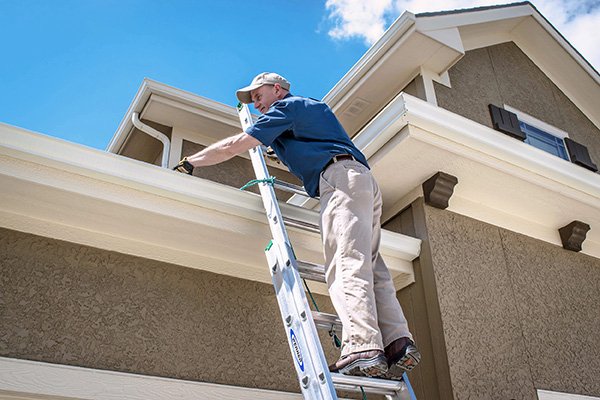
During any repair — especially in older London properties — professionals often uncover hidden issues. Damaged wiring behind plaster, rotted joists under flooring, or outdated plumbing are just a few examples. If you’re hiring Plastering, Rendering & Brick Layer in London, it’s wise to expect that once the surface comes off, extra work might appear. Always leave a 10–20% contingency in your budget for these “just in case” moments.
6. Post-Repair Finishing Touches
Once repairs are done, finishing work such as painting, re-tiling, or reinstalling fixtures can add unexpected costs. For instance, replacing a wall section might require repainting the entire room for color consistency. Or after a window replacement, you may need new blinds installed — which could mean hiring Curtain Fitters in London to ensure a perfect finish. While these touches enhance your home’s appearance, they’re often forgotten during the initial budgeting phase.
7. Future Maintenance and Small Fixes
Even high-quality repairs need regular maintenance to stay in good condition. Failing to factor in ongoing upkeep — like sealing, caulking, or servicing — can shorten the lifespan of your repairs. Working with professionals who offer comprehensive Home Improvement Services in London allows you to create a preventive maintenance plan and reduce the risk of larger, more expensive problems later on.
8. Permit and Compliance Fees
Some types of work in London, particularly structural or exterior changes, require council approval or compliance with building regulations. Applying for permits or paying for inspections can increase your overall costs. Before starting major work, always check with your local council or ask your contractor to handle compliance to avoid penalties.
9. Specialist Installations and Add-Ons
Small home improvements, such as adding pet access or upgrading fittings, can have their own unexpected expenses. For instance, a Cat Flap Installation in London might seem simple, but depending on door material or glazing, you may need custom fittings or safety glass — increasing both material and labor costs. Always consult professionals to get an accurate estimate before proceeding.
Conclusion
Hidden costs in home repairs are easy to miss, especially when you’re focused on getting the job done quickly. But with transparent communication, detailed quotes, and the right professionals, you can keep your project within budget and avoid nasty surprises. At Fix in London, we believe in honesty, precision, and delivering long-term value — so every repair or improvement truly enhances your home, not your expenses.
FAQs
What’s the best way to avoid hidden repair costs?
Always request a written, itemized estimate before work begins. Clarify whether materials, waste removal, and finishing touches are included.
Are home repairs more expensive in central London?
Yes, costs in central areas are typically higher due to parking restrictions, congestion charges, and limited access — which increase labor time.
Do I need to pay extra for handyman call-outs?
Many professionals charge a minimum call-out fee, especially for small jobs. Fix in London offers transparent pricing, so there are no surprises.
Can I combine multiple small jobs in one visit?
Absolutely. Combining small fixes like painting, plastering, or minor installations into one booking can help you save both time and money.