
Introduction: The Question Every London Homeowner Asks
You notice a dripping tap. A cracked tile in the kitchen. A door that won’t close properly. Your first instinct? “I can probably fix that myself.” And sometimes — you absolutely can. But sometimes, that confidence leads to a small problem becoming a very expensive disaster.
To DIY or not to DIY — this is one of the most common dilemmas homeowners face, and it’s not as simple as it sounds. It’s not just about saving money. It’s about your safety, the quality of the repair, the time it takes, and whether a botched job might cost you far more in the long run.
At Fix in London, we’ve seen it all. We’ve been called in to fix DIY jobs gone wrong just as often as we’ve been called for the original problem. That’s why we put together this honest, practical guide — to help you make the right call every time.
What Does “DIY” Really Mean for Home Repairs?
DIY, or “Do It Yourself,” in the context of home repairs means tackling maintenance and fixing tasks without hiring a professional. The DIY culture has exploded over the past decade, fuelled by YouTube tutorials, home improvement blogs, and a genuine desire to save money and feel accomplished.
And there’s real value in it. Simple tasks like painting a room, assembling flat-pack furniture, or replacing a light switch cover are perfectly manageable for most people with a bit of patience and the right tools.
But the danger lies in overestimating your skill level or underestimating the complexity of a job. Many home repair tasks look straightforward on a tutorial but involve hidden variables — old wiring, corroded pipes, structural quirks — that only become apparent once you’re already knee-deep in the project.
The Golden Rule: Know What You’re Getting Into
Before you pick up a screwdriver or a wrench, ask yourself these five questions:
1. Do I have the right tools? Many repairs require specialised tools that most people don’t own. Hiring or buying these tools can quickly eat into any savings you’d make by not calling a professional.
2. Do I have the right skills and knowledge? Watching a 10-minute video is not the same as years of hands-on experience. Professionals understand not just the “how” but the “why” — and they can spot problems before they escalate.
3. Is this job regulated or legally restricted? In the UK, certain jobs — particularly gas work, most electrical work, and some structural modifications — are legally required to be carried out by certified professionals. DIY-ing these is not just risky; it can be illegal and void your home insurance.
4. What’s the worst-case scenario? A painting mistake is easy to redo. A burst pipe from an amateur plumbing job can flood your home and cause thousands of pounds in damage. Always consider the downside.
5. How much is my time worth? Even if you technically can do something, spending an entire weekend on a job a professional could finish in two hours may not be the best use of your time.
DIY vs. Hiring a Handyman: A Clear Comparison
| Task | DIY Friendly? | Why |
|---|---|---|
| Painting walls or ceilings | ✅ Yes | Low risk, easy to learn, forgiving if imperfect |
| Replacing tap washers | ✅ Yes | Simple plumbing, no specialist tools needed |
| Assembling flat-pack furniture | ✅ Yes | No structural risk, instructions included |
| Fixing a squeaky door hinge | ✅ Yes | Minimal tools, very low risk |
| Grouting bathroom tiles | ⚠️ Maybe | Needs patience; poor grouting causes leaks |
| Hanging heavy shelves or TV mounts | ⚠️ Maybe | Needs stud finder and correct fixings for wall type |
| Plastering walls | ⚠️ Maybe | High skill ceiling; visible results if done poorly |
| Replacing electrical sockets | ❌ No | Requires Part P certification in England and Wales |
| Gas appliance repairs or installation | ❌ No | Must be Gas Safe registered — it’s the law |
| Structural wall removal | ❌ No | Risk of collapse; requires structural engineer input |
| Roof repairs | ❌ No | Safety risk; improper repair causes water damage |
| Leak detection and pipe replacement | ❌ No | High risk of flooding and long-term property damage |
| Boiler servicing or repairs | ❌ No | Legal requirement for Gas Safe registered engineer |
When You Should Absolutely DIY
DIY is a wonderful skill to develop, and there’s genuine satisfaction in fixing things around your home. Here are the situations where going DIY is the smart, sensible choice:
Low-risk cosmetic tasks. Repainting a room, touching up woodwork, changing curtain rails, or replacing cabinet handles are all tasks where a mistake costs you little more than some extra time and a bit of paint.
Simple maintenance jobs. Changing a lightbulb (including smart bulbs and fittings), cleaning gutters, lubricating hinges, bleeding a radiator — these routine maintenance tasks are well within the reach of most homeowners.
Flat-pack assembly. Whether it’s a new wardrobe from IKEA or a bookcase from Argos, flat-pack furniture is designed to be assembled at home. Take your time, follow the instructions, and you’ll be fine.
Minor garden and outdoor work. Laying turf, planting beds, building a simple raised bed, or pressure-washing your patio are all satisfying DIY weekend projects.
Basic decoration. Wallpapering a feature wall, applying peel-and-stick tiles, or resealing a bath with silicone are all learnable skills that can dramatically improve how your home looks.
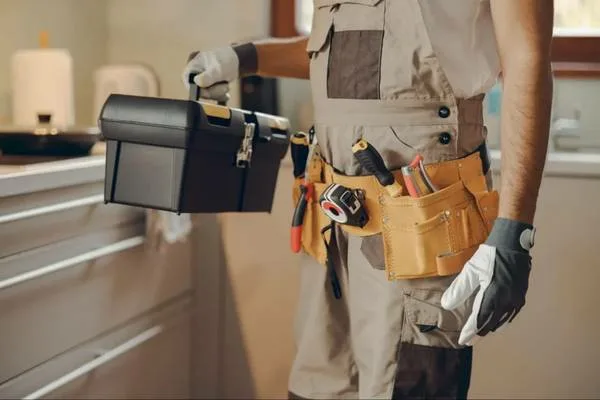
When You Should Always Call a Professional
Some jobs simply aren’t worth attempting yourself — not because you’re not capable, but because the risks are too high, the regulations are too strict, or the margin for error is too small.
Any gas work. This is non-negotiable. In the UK, only Gas Safe registered engineers are legally permitted to work on gas appliances, pipework, and fittings. This includes installing boilers, fixing gas cookers, and checking for gas leaks. An incorrectly fitted gas appliance can cause carbon monoxide poisoning or explosions. Never DIY gas work.
Most electrical work. While changing a plug or replacing a like-for-like light fitting may be acceptable, most electrical work — including installing new circuits, consumer units, or outdoor sockets — falls under Part P of the Building Regulations. This means it must be carried out by a certified electrician or notified to your local authority.
Structural work. Removing walls, adding extensions, or any work that affects the structural integrity of your home requires professional expertise and often planning permission. A structural mistake can be catastrophic and extraordinarily expensive to fix.
Roof work. Working at height is dangerous, and improper roof repairs — using the wrong materials, missing damaged felt beneath tiles — can let in water that silently damages your home for months before you notice.
Persistent or complex plumbing. A dripping tap is DIY territory. A persistent leak, a burst pipe, or a problem with your central heating system is absolutely a job for a professional plumber.
Any job that affects your insurance or resale value. Unlicensed or uncertified work can void your home insurance and create serious problems when you come to sell your property. Always consider the long-term implications.
The Hidden Costs of a Bad DIY Job
It’s tempting to look only at the upfront savings of doing something yourself. But the true cost of a DIY job gone wrong can be staggering.
Consider this: a homeowner attempts to retile their bathroom to save £300. The tiles aren’t properly sealed, water seeps behind the wall, and over six months, the timber framework begins to rot. By the time the problem becomes visible, the repair costs have ballooned to over £2,500 — including removing all the tiles, replacing the damaged timber, re-waterproofing, and retiling properly.
At Fix in London, we regularly encounter situations like this. The original problem was manageable. The failed DIY attempt turned it into a major project.
The real savings come from doing the job right the first time.
How Fix in London Can Help
Fix in London is a trusted, professional handyman service operating across London. Whether you need a small repair or a series of jobs done in a day, our skilled team delivers high-quality workmanship at honest, transparent prices.
Here’s what sets us apart:
- Experienced, vetted professionals — every handyman on our team is background-checked and highly experienced across a wide range of trades.
- Transparent pricing — no hidden fees, no surprise bills. You’ll know exactly what you’re paying before any work begins.
- Wide range of services — from furniture assembly and picture hanging to plastering, tiling, carpentry, and general repairs, we cover it all.
- Fully insured — all our work is covered, giving you complete peace of mind.
- Fast response times — we understand that home repairs can’t always wait. We offer prompt booking and reliable arrival times.
- Satisfaction guaranteed — we’re not happy until you are. Simple as that.
If you’ve been going back and forth on whether to tackle something yourself, give us a call. We’ll give you an honest assessment — and if we genuinely think it’s something you can safely do yourself, we’ll tell you that too.
A Practical DIY Decision Checklist
Use this quick checklist before starting any home repair:
- I have all the necessary tools for this job
- I have watched or read reliable tutorials specific to my situation
- This job does not involve gas, electrical circuits, or structural elements
- This job does not require a certified tradesperson by UK law
- The worst-case outcome is manageable and affordable
- I have enough time to complete this properly without rushing
- My home insurance will not be affected by doing this myself
If you ticked all seven boxes — go for it! DIY away with confidence.
If you hesitated on even one — it’s time to call Fix in London.
Frequently Asked Questions
Q1: How do I know if a job legally requires a certified professional in the UK?
In the UK, gas work must always be carried out by a Gas Safe registered engineer — no exceptions. For electrical work, most significant jobs fall under Part P of the Building Regulations and must be performed by a qualified electrician or reported to your local council. Structural changes often require building regulations approval. If you’re unsure, Fix in London can assess the job and point you in the right direction. When in doubt, always check with a professional before starting.
Q2: Is it worth calling a handyman for small, quick jobs?
Absolutely. Many people assume handyman services are only for large projects, but Fix in London specialises in exactly the kinds of small, everyday jobs that pile up around the home — a stiff door, a dripping tap, a wobbly banister, a shelf that needs proper fixing. Booking a handyman for a half-day lets you clear a whole list of these jobs efficiently, safely, and professionally. The cost is often far less than people expect, and the peace of mind is invaluable.
Q3: What’s the most common DIY mistake homeowners make?
Without question, it’s underestimating the hidden complexity of a job. A wall that looks solid might be a dot-and-dab plasterboard wall that won’t hold heavy fixings the way you’d expect. A pipe you think is just a cold water supply might be part of a pressurised system. A simple plastering patch can be incredibly hard to blend invisibly. At Fix in London, the most common call we get after a DIY attempt is “it looked simple on YouTube.” Our advice: always investigate a little deeper before you commit.
Q4: How much does it typically cost to hire a handyman in London?
Handyman rates in London generally range from £40 to £80 per hour depending on the nature of the work, location within London, and the experience of the tradesperson. Fix in London offers competitive, transparent rates with no hidden call-out fees. For many jobs, we offer half-day or full-day rates which represent excellent value, especially if you have a list of tasks to work through. Contact us for a free, no-obligation quote tailored to your specific needs.
Final Thoughts: To DIY or Not to DIY?
The answer isn’t always black and white — but the framework is clear. DIY when the job is low-risk, legal to do yourself, within your skill set, and the consequences of a mistake are minor. Call a professional when safety is involved, when regulations apply, or when the job requires expertise you simply don’t have.
There’s no shame in calling a handyman. In fact, knowing your limits is one of the most practical and financially smart things a homeowner can do. The best DIYers know exactly when to put the tools down and pick up the phone.
When that moment comes, Fix in London is ready to help — fast, professional, and always at a fair price.
Fix in London — Your Trusted Handyman Service Across London 📞 Call us today for a free quote 🌐